
Create a Visual Centerpiece That Holds Attention
Some event concepts need more than a conventional flat LED wall. Spherical displays can serve as branded focal points, experiential features, or central content surfaces within a booth, stage design, or event environment.
The shape alone does not determine whether the display will succeed. Content must remain clear from the intended viewing positions, the structure must fit the venue, and the LED system must connect correctly with the rest of the production.
That makes provider selection a technical decision as well as a creative one. Event planners, producers, exhibit designers, and marketing teams need to know that the concept can be installed, tested, operated, and removed within the available schedule.
High Res approaches the request as a complete LED display project. The team first examines how the visual concept, venue conditions, content, and production plan need to work together.
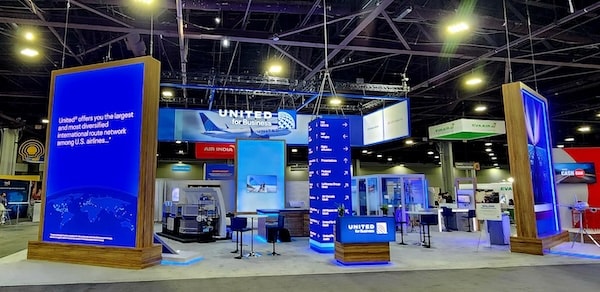
What a Sphere LED Tile Rental Includes
Sphere LED tile rental refers to modular LED components assembled into a spherical or sphere-like display for a defined event or production. The individual tiles form the image surface, but they are only one part of the complete system.
Depending on the project scope, the display may require video processing, signal distribution, power distribution, structural support, installation labor, system testing, and on-site technical support. Each component must work as part of one coordinated system so the display presents the intended content reliably.
High Res focuses on the complete LED solution rather than supplying panels without a production plan. The recommended scope is based on the display concept, venue, content sources, viewing conditions, event schedule, and support requirements. Availability within the rental inventory must be confirmed for the requested configuration.
Content creation, staging, rigging, general event planning, and unrelated production services are not automatically included. The rental equipment, labor, and technical responsibilities should be defined before the project moves forward so the client, venue, LED team, and existing production providers understand their roles.
Determine Whether the Display Concept Is Technically Feasible
A sphere LED display must be evaluated against the actual event environment. A concept that works in a rendering may need to change once venue space, access, support, content, and production requirements are considered.
The review starts with the intended form and dimensions. A full sphere, partial sphere, or sphere-like feature can create different installation, structural, and viewing requirements. The proposed configuration must also match equipment availability and the practical limits of the event schedule.
Venue conditions can shape the final recommendation. Floor space, ceiling clearance, loading access, installation time, audience placement, camera positions, power, and signal routes all affect how the system can be built and operated.
Content also needs to suit the display geometry. Logos, text, video, and detailed graphics may appear differently across curved displays, particularly when attendees view the surface from several positions.
Reviewing these factors early gives the production team a clear choice. The original concept may be feasible, it may need adjustment, or another custom LED configuration may serve the event more effectively.
Why Choose High Res for Sphere LED Tile Rental
High Res LED Rentals is a specialized provider of LED displays, not a general equipment rental company. Its verified capabilities include LED display design and engineering, professional installation, on-site technical support, and integration with live event production.
That specialization is important when displays do not follow a standard rectangular format. The tiles, structure, processing, content, signal, installation plan, and show systems must be treated as one project. Managing them separately can lead to missed requirements, unclear responsibilities, and delays during load-in.
High Res is backed by the event production experience of GSE Audiovisual Inc. That background gives the team a practical understanding of venue schedules, rehearsals, technical handoffs, content sources, and coordination with other event vendors.
The company works with corporate event planners, experiential agencies, producers, technical directors, creative teams, and existing production providers. This allows custom displays to be planned within the broader event workflow rather than delivered as isolated equipment packages.
High Res serves event clients nationally. Equipment availability, travel requirements, installation conditions, and support needs are reviewed for each project before a recommendation is made. Clients looking to rent a sphere-oriented system receive a project-specific assessment rather than a generic package.
How the Sphere LED Display Rental Process Works
1. Share the Event Requirements
Provide the event date, venue, desired display concept, approximate dimensions, audience conditions, content plans, and production schedule. High Res reviews the information and identifies the details needed to evaluate the request.
Deliverable: Initial project brief
Timing: Based on the completeness and complexity of the request
2. Evaluate the Concept
The team examines the proposed display against the venue, installation access, structural requirements, viewing positions, content, power, signal, and available setup time.
Deliverable: Feasibility findings and required revisions
Timing: Based on the proposed configuration
3. Design the LED System
High Res develops a recommended display approach and identifies the equipment, labor, processing, production connections, and support responsibilities required for the project.
Deliverable: Recommended system and defined project scope
Timing: Based on technical complexity
4. Coordinate the Production Plan
The LED scope is aligned with venue access, load-in, rehearsals, content delivery, video sources, show operation, and the responsibilities of other production teams.
Deliverable: Confirmed execution plan
Timing: Tied to the venue and event schedule
5. Install and Test the Display
The technical team assembles the approved system, connects power and signal, configures the display, and checks image presentation before the event begins.
Deliverable: Tested LED system prepared for production
Timing: Determined by the design and available load-in window
6. Support and Remove the System
High Res provides the technical support included in the project scope and removes the display after the event according to the production schedule.
Deliverable: Completed show support and equipment removal
Timing: Defined by the event schedule
Sphere LED Display Content Questions
What types of content work best on a spherical LED display?
Content with clear focal points, controlled movement, and graphics designed around the display shape is generally easier to follow from several viewing positions. The final approach depends on the display dimensions, resolution, orientation, and audience location.
Small text and highly detailed graphics may not remain readable across the full surface. Content should be reviewed against the confirmed display specification before final delivery.
Can logos and text be adapted for curved viewing?
Yes, but their size, placement, spacing, or repetition may need to change. Artwork that appears correct on a flat monitor can look distorted or become difficult to read when wrapped across a curved surface.
The content team should work from the final display dimensions and any approved content template provided for the project.
Can a sphere LED display show live video feeds?
Live video may be supported when the display processor, signal path, source equipment, and production system are configured for it. This capability must be confirmed during technical planning.
The team should also review image framing, aspect ratio, processing delay, and how the feed will appear across the display surface.
Who controls media playback during the show?
Playback may be handled by a High Res technician, the client’s content team, an existing production provider, or another assigned operator. The correct arrangement depends on the show workflow and contracted responsibilities.
Naming the operator before rehearsals prevents uncertainty during live production.
Can multiple content sources be switched during the event?
Multiple sources may be supported when the required switching, processing, inputs, outputs, and operators are included in the system design. Possible sources can include presentation computers, media servers, cameras, and other video equipment.
The required connections should be identified before installation so each source can be configured and tested.
Does spherical content require a custom file format?
Not necessarily. The files may still need a project-specific canvas size, layout, mapping template, or playback configuration based on the final LED arrangement and processing system.
Content should be prepared from confirmed specifications rather than estimated dimensions.
Discuss Your Sphere LED Display Concept
High Res can review your event, venue, display concept, content requirements, and production plan to determine whether an appropriate sphere LED configuration is available and technically suitable.
The consultation will help define the display approach, installation needs, production responsibilities, technical support, and known limitations before a final recommendation is prepared.
Submit your project through the consultation form, or Speak With an LED Specialist to discuss the concept directly.