
Why Indoor Events Need a Purpose-Built LED Display
Your audience should not have to strain to read a presentation, follow a live camera feed, or see branded content from the back of the room. Screen size, placement, viewing distance, room layout, and content design all affect whether the display supports the event or becomes a distraction.
The stakes increase during executive presentations, general sessions, product launches, and client-facing events. A poorly planned LED wall can weaken important messaging, create production delays, or make a polished event feel unfinished.
Choosing an indoor display is not just an equipment decision. It requires a system that fits the venue, serves the audience, and works with the people and technology running the event.
What an Indoor LED Display Rental Includes
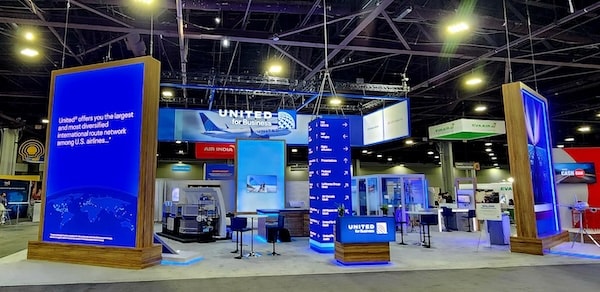
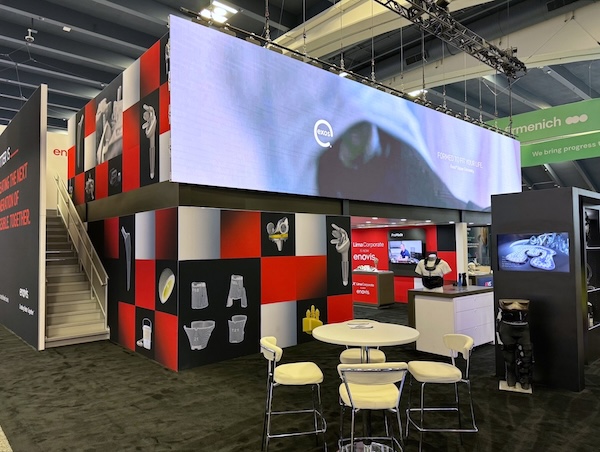
An indoor LED display rental provides a temporary visual system for presenting video, graphics, presentations, branding, event information, and live camera feeds inside a venue. High Res LED Rentals plans each LED screen rental around the project instead of supplying a standard panel package without considering how it will be used.
The approved project scope may include:
- Event and venue requirements review
- Screen sizing and configuration recommendations
- LED panels and video processing equipment
- Delivery and scheduled load-in
- Professional installation and configuration
- Content source and signal testing
- On-site technical support
- Dismantling and load-out
These services give the event team clearer responsibility for the display. Instead of coordinating equipment,installation, processing, and support through separate parties, the customer receives a defined LED scope built around the production plan.
Content creation, venue approval, staging, lighting, and unrelated production services are not automatically included. Those responsibilities should be established before the event so the quote clearly states what High Res LED Rentals, the venue, the customer, and other production partners will handle.
Pixel Pitch Explained
Pixel pitch measures the distance between individual pixels on an LED display. A smaller pixel-pitch number places the pixels closer together, which can provide finer detail and higher perceived resolution when attendees are positioned near the display.
The right specification depends on the actual event. Viewing distance, screen dimensions, audience placement, content type, camera use, room layout, and required resolution all influence how much image detail the audience will perceive.
Selecting the finest available pixel pitch is not always the best use of the project budget. High Res LED Rentals reviews the viewing environment before recommending a configuration, helping the customer avoid paying for resolution that the room or audience may not benefit from.
Indoor LED Setup Guide
A dependable indoor LED display starts with accurate project information. High Res LED Rentals follows a five-stage process that connects the screen design to the venue, content, schedule, and broader production plan.
1. Assess the event requirements
The project begins with a review of the event date, venue, audience size, stage or booth dimensions, content sources, access conditions, and production schedule.
The result is a documented set of project requirements that gives the LED team and customer a common planning reference. This takes place during the initial consultation and information-gathering phase.
2. Design the display system
High Res LED Rentals determines the proposed screen dimensions, configuration, placement, processing approach, and major technical requirements.
The customer receives a recommended display plan and defined scope based on the event rather than a generic equipment package. This work takes place during preproduction planning.
3. Coordinate with the venue and production team
The team confirms venue access, power requirements, structural considerations, load-in timing, content inputs, and vendor responsibilities.
This produces a coordinated installation plan that reduces the chance of discovering access, scheduling, or responsibility conflicts during load-in. Coordination takes place before the scheduled event setup.
4. Install and test the display
Technicians deliver, assemble, position, connect, configure, and test the LED wall using the available content and signal sources.
The result is a show-ready display prepared for the planned production workflow. Installation and testing take place within the venue’s scheduled load-in window.
5. Support the event and complete load-out
Technical personnel operate, monitor, or support the display according to the approved scope. After the event, the team dismantles and removes the system within the agreed load-out schedule.
This gives the customer a defined support plan through the end of the project instead of leaving responsibility unclear once installation is complete.
Indoor vs Outdoor Comparison
| Consideration | Indoor LED Display | Outdoor LED Display |
| Environment | Ballrooms, conference spaces, exhibit halls, stages, and controlled indoor venues | Festivals, exterior activations, outdoor stages, and open-air event sites |
| Viewing Conditions | Often selected for closer audience positions | Frequently planned for longer viewing distances |
| Brightness | Based on interior lighting, stage conditions, and content needs | Must account for daylight and changing exterior light |
| Environmental Exposure | Used in spaces protected from direct weather | Requires equipment suited to exterior exposure |
| Planning priorities | Sightlines, room dimensions, stage or booth fit, and access | Weather, outdoor power, structural support, and environmental conditions |
| Common Uses | Corporate events, conferences, trade shows, and general sessions | Festivals, public events, exterior activations, and outdoor productions |
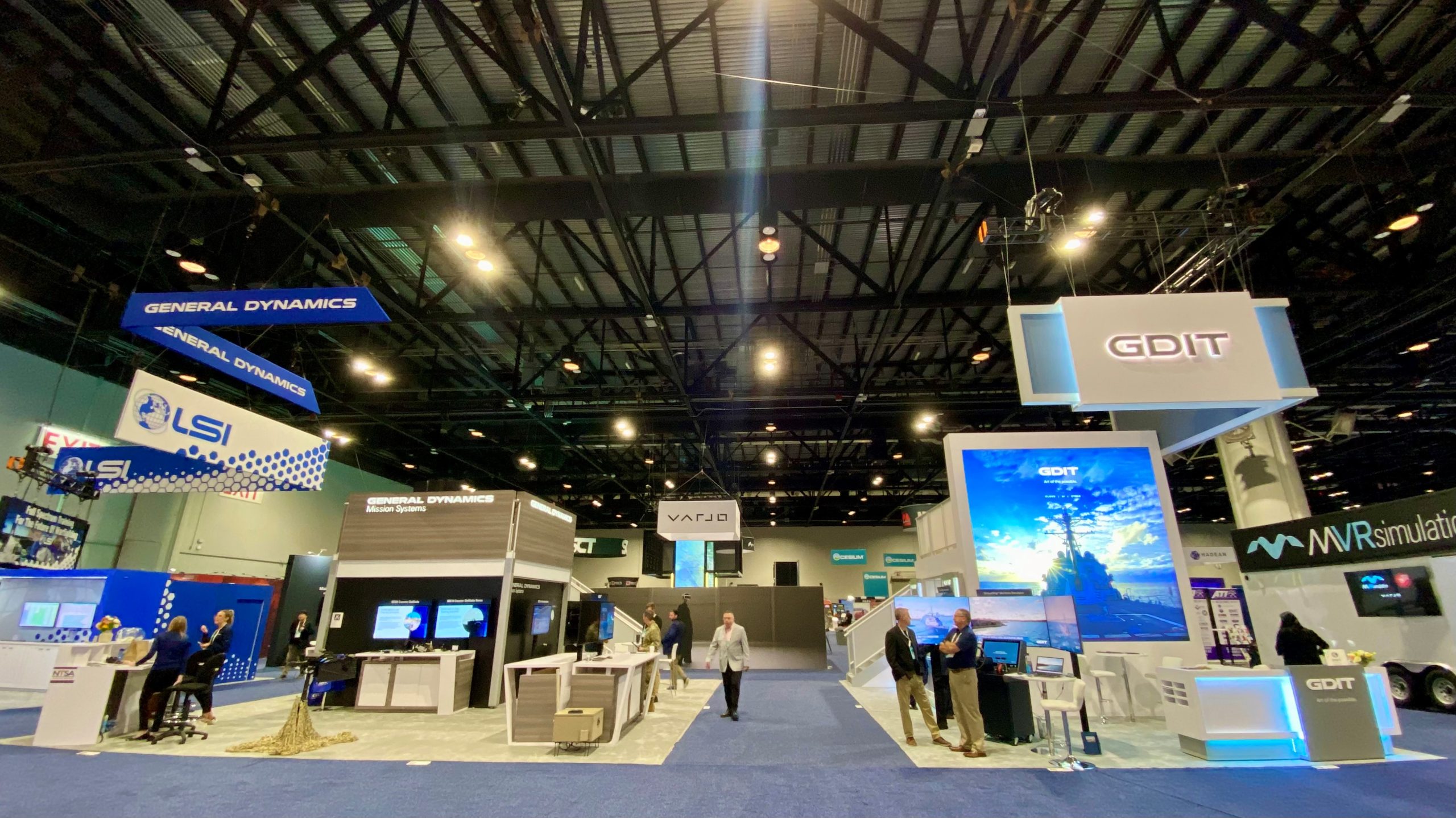
An indoor LED screen rental is the relevant option when the display will operate inside a ballroom, convention center, meeting space, exhibit hall, or controlled activation environment. The final configuration should still reflect the room, viewing distance, content, and production requirements.
Why Choose High Res for Indoor LED Display Rental
- High Res LED Rentals specializes in LED video wall systems. It does not treat LED as one item in a broad catalog of unrelated rental equipment. That focus allows the project team to address screen dimensions, pixel pitch, viewing distance, content inputs, placement, installation, testing, and technical support as connected decisions. Customers receive a system recommendation based on how the display must perform inside the event, not simply on which panels are available.
- High Res LED Rentals is backed by the live event production experience of GSE Audiovisual Inc. This production foundation helps the LED team work within schedules and technical workflows that also involve staging, lighting, video sources, content teams, venue personnel, and other vendors.
- Display design and engineering take place before installation. That planning helps identify venue, access, signal, placement, and responsibility issues while there is still time to address them.
- Professional installation, testing, and on-site technical support are part of the company’s verified capabilities. These services give event planners and producers clearer technical ownership of the display and reduce the gaps that can occur when several vendors divide responsibility for one visual system.
- High Res LED Rentals can also work with an existing AV company, production agency, technical director, or venue team. Hiring an LED specialist does not require replacing every other production partner.
Proof From High-Visibility Events
High Res LED Rentals is supported by the live event production experience of GSE Audiovisual Inc. and is structured to provide LED video wall solutions within larger event production workflows.
Its verified capabilities include:
- Indoor and outdoor LED video wall rental
- LED display design and engineering
- Professional installation
- On-site technical support
- Integration with live event production
- Service for event clients across the United States
These capabilities address practical risks that affect high-visibility events. The display must fit the venue, accept the required content sources, follow the load-in schedule, and work alongside the teams responsible for the rest of the production.
High Res LED Rentals does not rely on absolute performance promises or unsupported results. The company defines the display system and technical scope after reviewing the requirements of the specific event.
Indoor LED Display Rental FAQs
How far in advance should an indoor LED display be reserved?
What information is needed before a display can be recommended?
Who prepares the content shown on the LED display?
Can one LED display show presentations, videos, graphics, and live camera feeds?
Can the display remain installed for a multi-day event?
Does every event require an on-site LED technician?
What happens if the final content is not ready before installation?
Plan Your Indoor LED Display Rental
You do not need to determine the screen dimensions, pixel pitch, processing equipment, or technical configuration before contacting High Res LED Rentals. The team will review the venue, audience, content, schedule, and production requirements before recommending a system.
To begin, provide the event date, venue, event type, estimated audience size, stage or booth dimensions, content sources, load-in schedule, and expected support needs. This information allows the team to define the LED wall, technical responsibilities, and project scope more accurately.
Submit the consultation form or speak directly with an LED specialist about the event. A complete LED screen rental inquiry should include the venue, date, audience size, content sources, and production schedule.
Speak With an LED Specialist